

Race to Lead the Federal Reserve Nears Decision
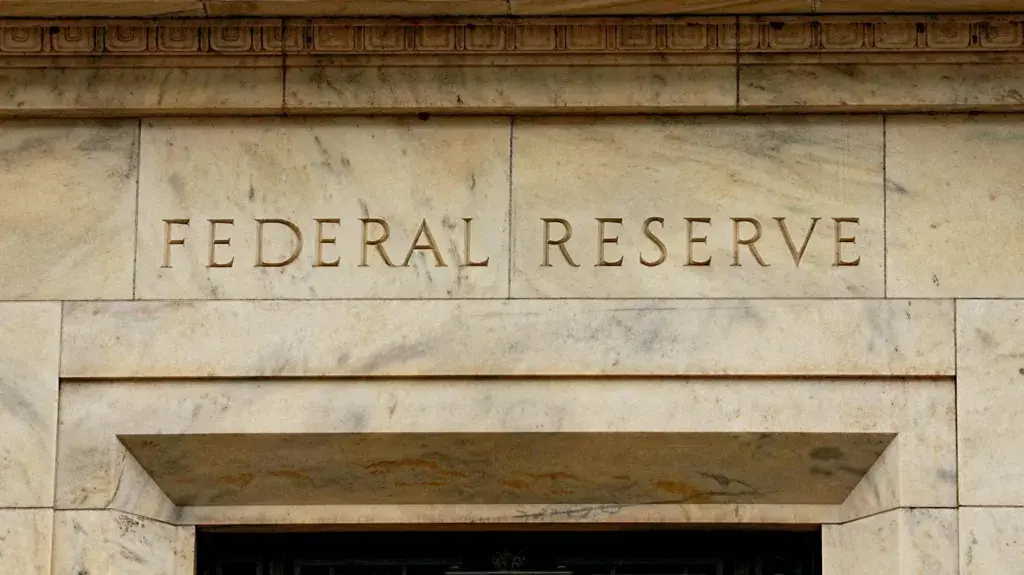
The search for the next leader of the United States central bank is entering its final stage, with President Donald Trump expected to announce his nominee in the coming weeks.
The decision will mark the end of Jerome Powell’s tenure as Federal Reserve chair, with his term set to expire in May. Whoever is chosen will inherit the role at a sensitive moment for the institution.
The Federal Reserve is facing mounting political pressure alongside internal divisions over the future path of interest rates. Questions about the bank’s independence have also intensified after Trump repeatedly called for lower borrowing costs, raising concerns about whether his nominee would be able to act free from White House influence.
Once selected, the president’s choice must be confirmed by the US Senate. Several candidates have emerged as frontrunners.
Kevin Hassett: A Loyalist With Close White House Ties
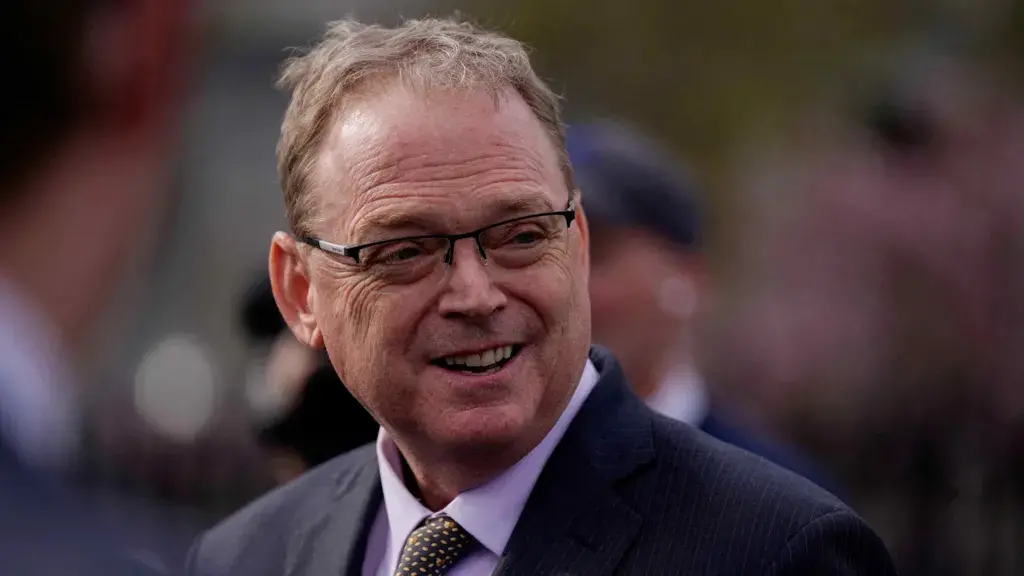
Kevin Hassett, a veteran conservative economist and long-time Trump adviser, is widely viewed as one of the leading contenders.
Hassett, 63, previously chaired the White House Council of Economic Advisers during Trump’s first term and currently serves as director of the National Economic Council. He has consistently defended the administration’s economic policies and publicly challenged data pointing to weakness in the US economy.
Although once seen as the favourite, his chances have recently slipped after Trump suggested in a public appearance that he preferred Hassett to remain in his current role.
Analysts have also questioned whether Hassett’s strong loyalty to the president could limit his perceived independence at the Fed. Economists at Deutsche Bank have warned that he may face difficulty persuading other policymakers to prioritise rate cuts while inflation risks persist.
Hassett has rejected those concerns, saying in a recent interview that the Federal Reserve’s independence remains “really important” and stressing that interest rate decisions should be driven by data and consensus.
Kevin Warsh: Former Governor and Fed Critic
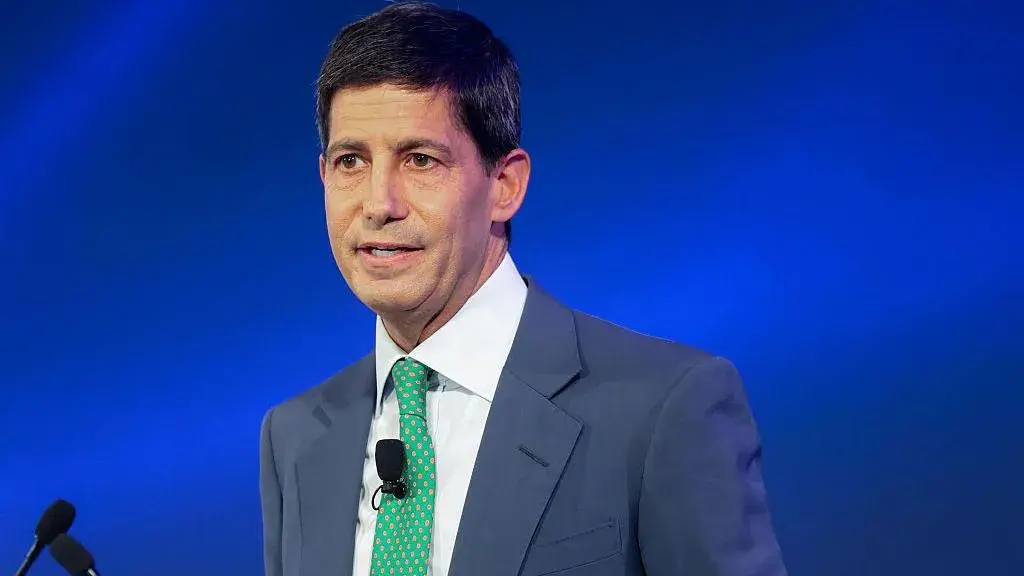
Another prominent contender is Kevin Warsh, who served as a Federal Reserve governor from 2006 to 2011.
The 55-year-old economist, now affiliated with the conservative Hoover Institution, has been a vocal critic of the Fed’s policies, calling for what he has described as a “regime change” at the central bank.
While previously known for a hawkish stance on inflation, Warsh has recently argued that interest rates should fall, suggesting the Fed shrink its balance sheet to ease borrowing costs. He also maintains close personal ties to Trump’s political circle through his father-in-law, billionaire donor Ronald Lauder.
Christopher Waller: The Insider Option
Current Fed governor Christopher Waller has also gained attention after meeting with Trump in recent weeks.
Waller, 66, was appointed to the board by Trump in 2020 and has recently signalled that there may be room for further rate cuts. Though lacking the personal connections of his rivals, investors have welcomed his distance from White House politics.
Some analysts view him as a steadier and more institutionally grounded option.
Rick Rieder: Wall Street Veteran
BlackRock executive Rick Rieder has also been mentioned as a possible candidate.
As chief investment officer for global fixed income, Rieder oversees trillions of dollars in assets and has extensive experience in global bond markets. He has argued that interest rates may have been pushed too high and could be reduced without reigniting inflation.
While he has limited political experience, Trump has publicly praised him, leaving his prospects uncertain.
A Defining Choice
Whoever emerges as the next Federal Reserve chair will face intense scrutiny from markets, lawmakers and global investors alike. In the end, it may be Wall Street, not Washington, that delivers the final verdict on their success.
Leave a comment
Your email address will not be published. Required fields are marked *